
-
Long-term Cheatgrass Reduction with Indaziflam in Sagebrush-Grassland Plant Communities in Sublette County, Wyoming

Final research brief and management recommendations for improved cheatgrass (Bromus tectorum L.) management using the herbicide Indaziflam (Rejuvra®, Bayer). Jacob S. Courkamp and Paul J. Meiman. Long-term Cheatgrass Reduction with Indaziflam in Sagebrush-Grassland Plant Communities in Sublette County, Wyoming. 2020. Full Paper Here. Previous Work: Derek J. Sebastian, James R. Sebastian, Scott J. Nissen ,…
-
A Potential New Herbicide for Invasive Annual Grass Control on Rangeland
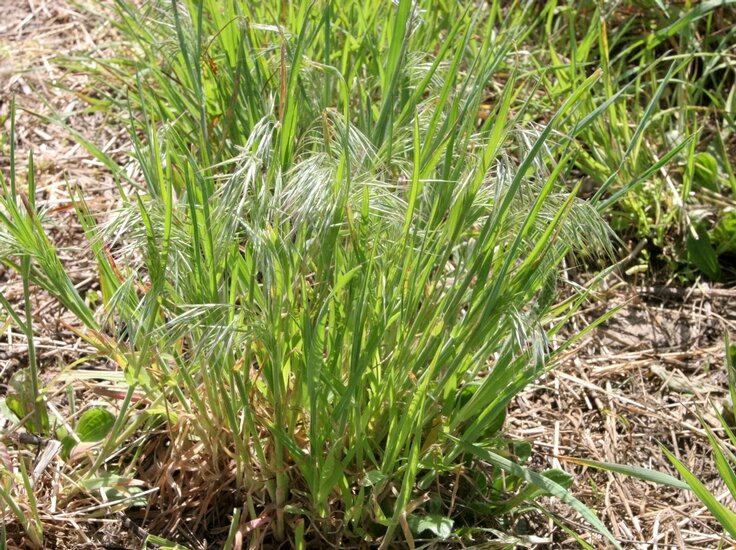
Abstract: Downy brome (Bromus tectorum L.), a winter annual grass, is considered one of the most invasive non-native rangeland species in the United States. Although glyphosate, imazapic, and rimsulfuron are herbicides commonly recommended to control invasive, annual grasses, their performance is inconsistent and they can injure desirable perennial grasses. Indaziflam is a recently registered cellulose biosynthesis…
-
Cross Timbers Fire Ecology Curricula
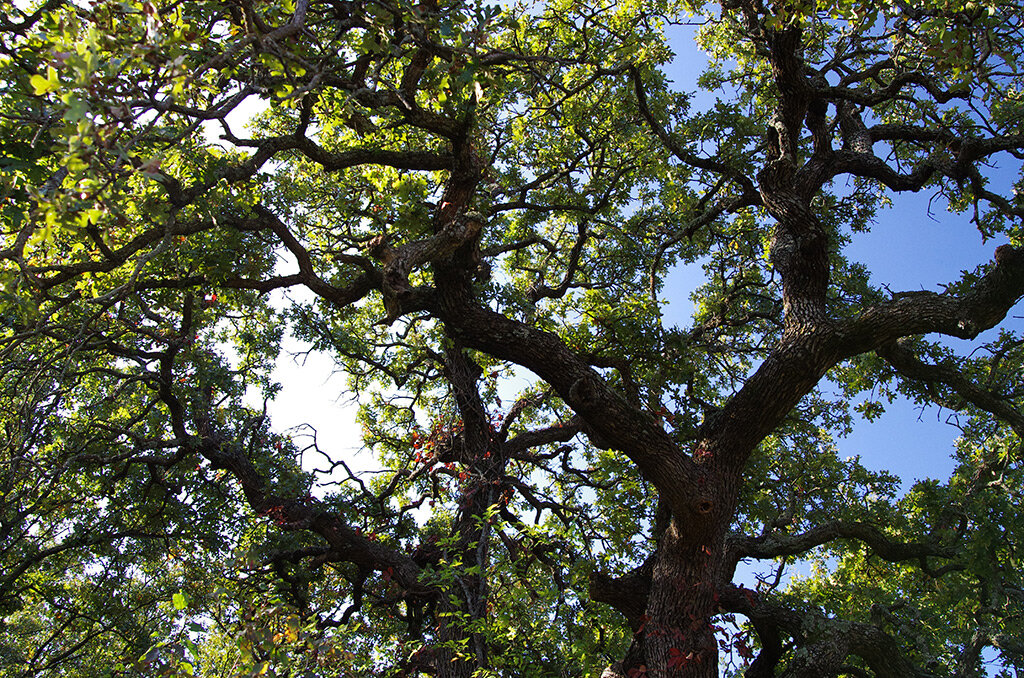
This website hosts an abundance of curricula that focuses on the fire ecology of the Cross Timbers ecoregion, which is the largest contiguous tract of old-growth forest remaining in the lower 48 of the USA. This program aims to provide high-school aged students with a unique learning opportunity that aligns with nationally recognized standards or…
-
Colorado Dept of Public Health & Environment Post-Fire Playbook

Developed for counties, tribes, municipalities, and water providers, the post-fire playbook was designed to fill in the gaps in knowledge these aforementioned groups usually have in relation to post-fire effects. Most notably, these have to with navigating the complexities surrounding post-fire rehabilitation of ecosystems that have been changed through catastrophic wildfire. To help fill these…
-
Working Together to Increase the Pace and Scale of Prescribed Fire: A Case Study
All hands approaches that leverage the capacity of federal, state, tribal, and non-governmental partners are essential to increasing the implementation of prescribed fire. Working together, partners used a variety of mechanisms to align organizational goals, build trust across agencies and organizations, and combine resources and skills, which ultimately resulted in the trained personnel needed to…
-
Colorado State University unveils educational resources on potential restoration of wolves in Colorado

Other than humans, the grey wolf is historically the most widely distributed mammal in North America. Due to habitat loss and predator control programs, grey wolves have been eradicated throughout most of their once widespread range. Colorado voters will have an opportunity to support a science-based reintroduction plan in the western part of the state…
-
Reducing Wildfire Risk in the Wildland-Urban Interface: Policy, Trends, and Solutions
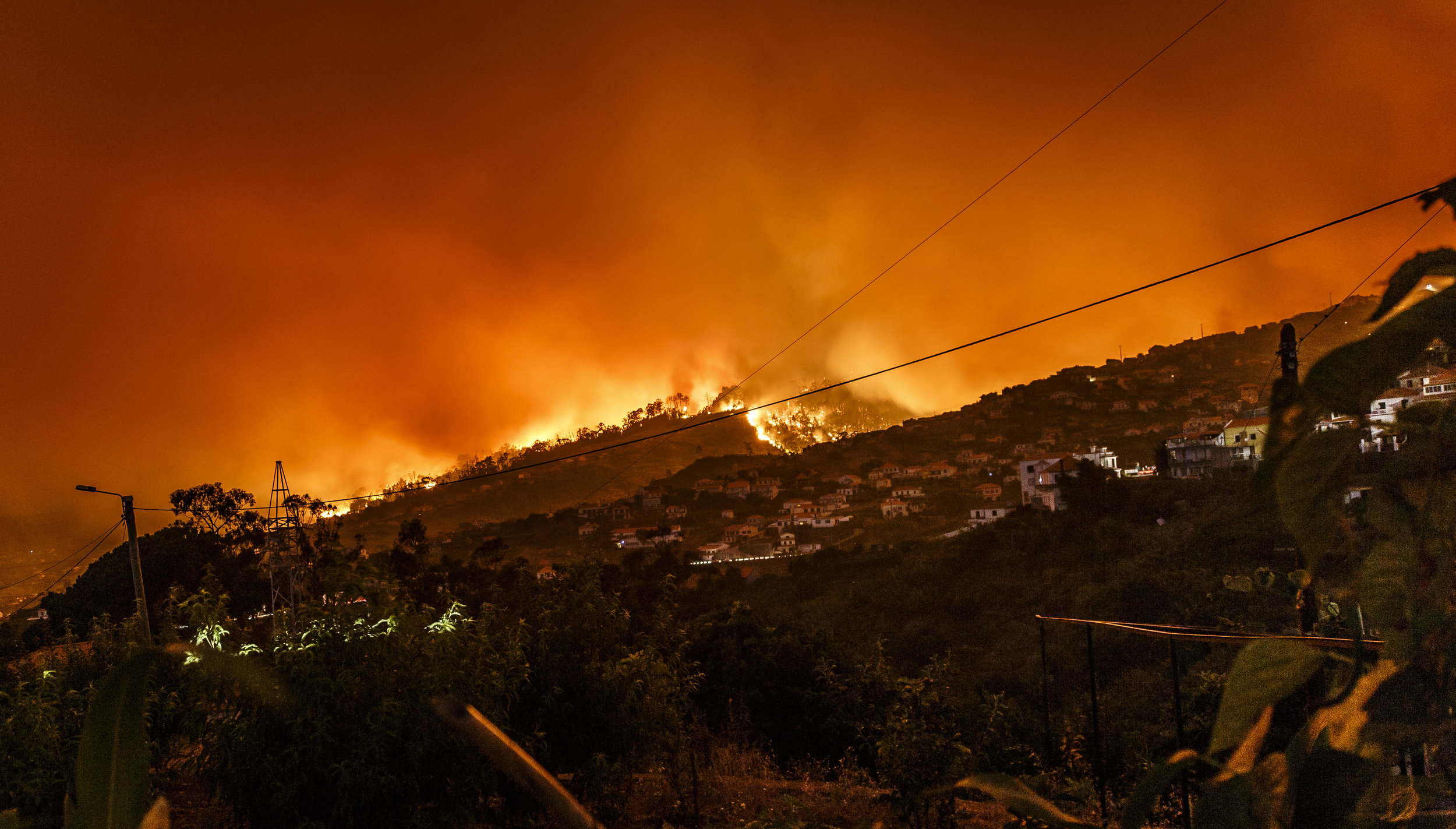
Increasing home development in wildfire-prone areas, coupled with climate change, are exacerbating wildfire risks to many communities. Better land use planning can work with other mitigation measures to reduce wildfire risks to people and homes. There are a variety of land use planning tools available, such as community plans, regulations, building codes, and incentive-based programs,…
-
Land use planning can reduce wildfire risk to homes and communities
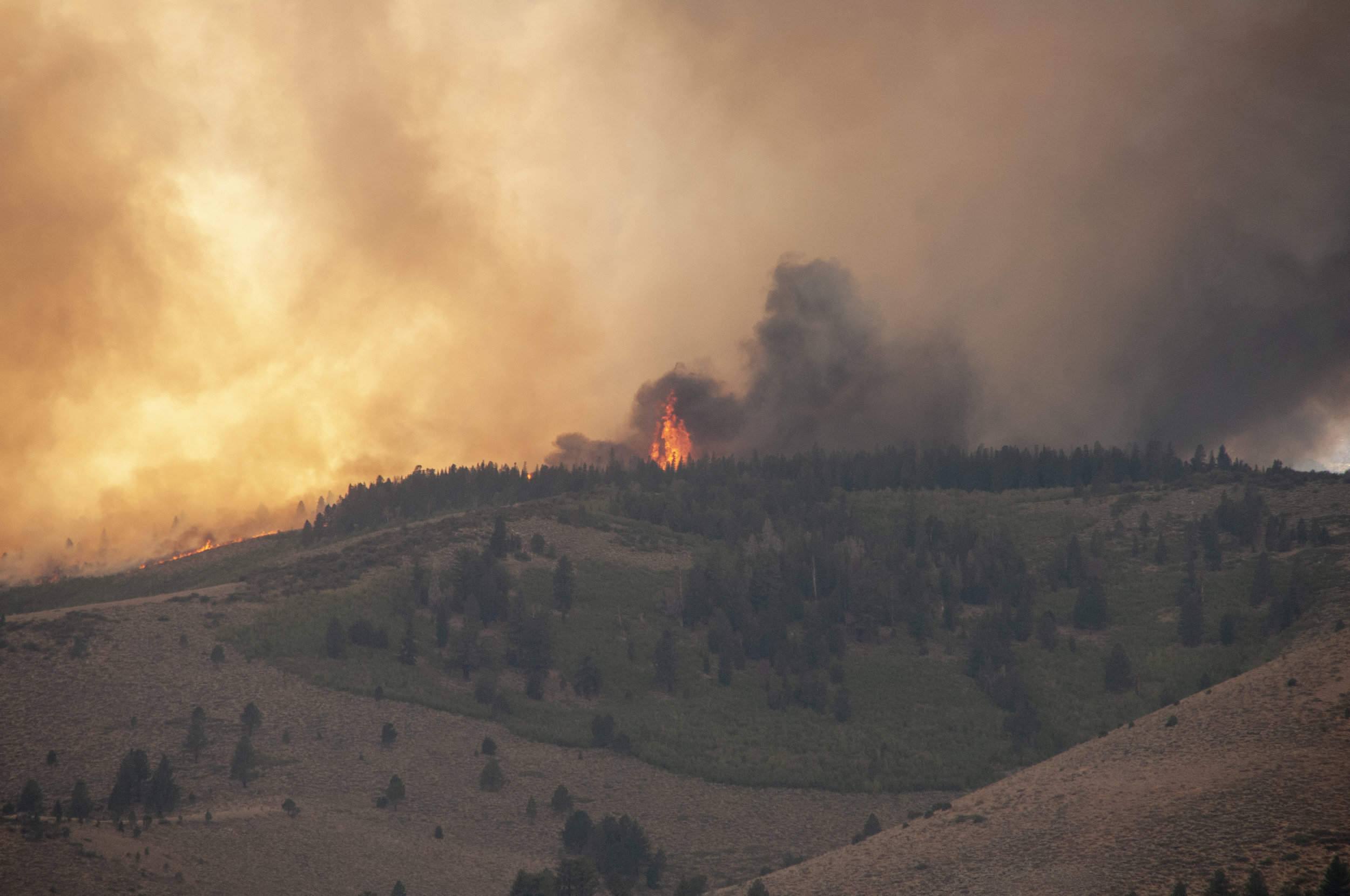
Wildfire risk to people and homes is increasing. While climate change and decades of fuel buildup have exacerbated wildfires, ongoing home development in wildfire-prone lands is also driving wildfire risks to communities. Building a home with wildfire in mind can increase a home’s survivability. Using wildfire-resistant building materials in the construction of a home can…
-
Wildfire Trends Across the Western US: Forest Fires Have Increased in Size, Severity, and Frequency Across Western Forests

Wildfires have increased in size, severity, and frequency in most western forests over the last three decades, as demonstrated by published literature and federal data summaries. Historically, fire was an ecological part of the landscape up until the late 1800s, when fire suppression became a common practice. Since 1950, 61% of the total area burned…
-
Federal wildfire policy and the legacy of suppression
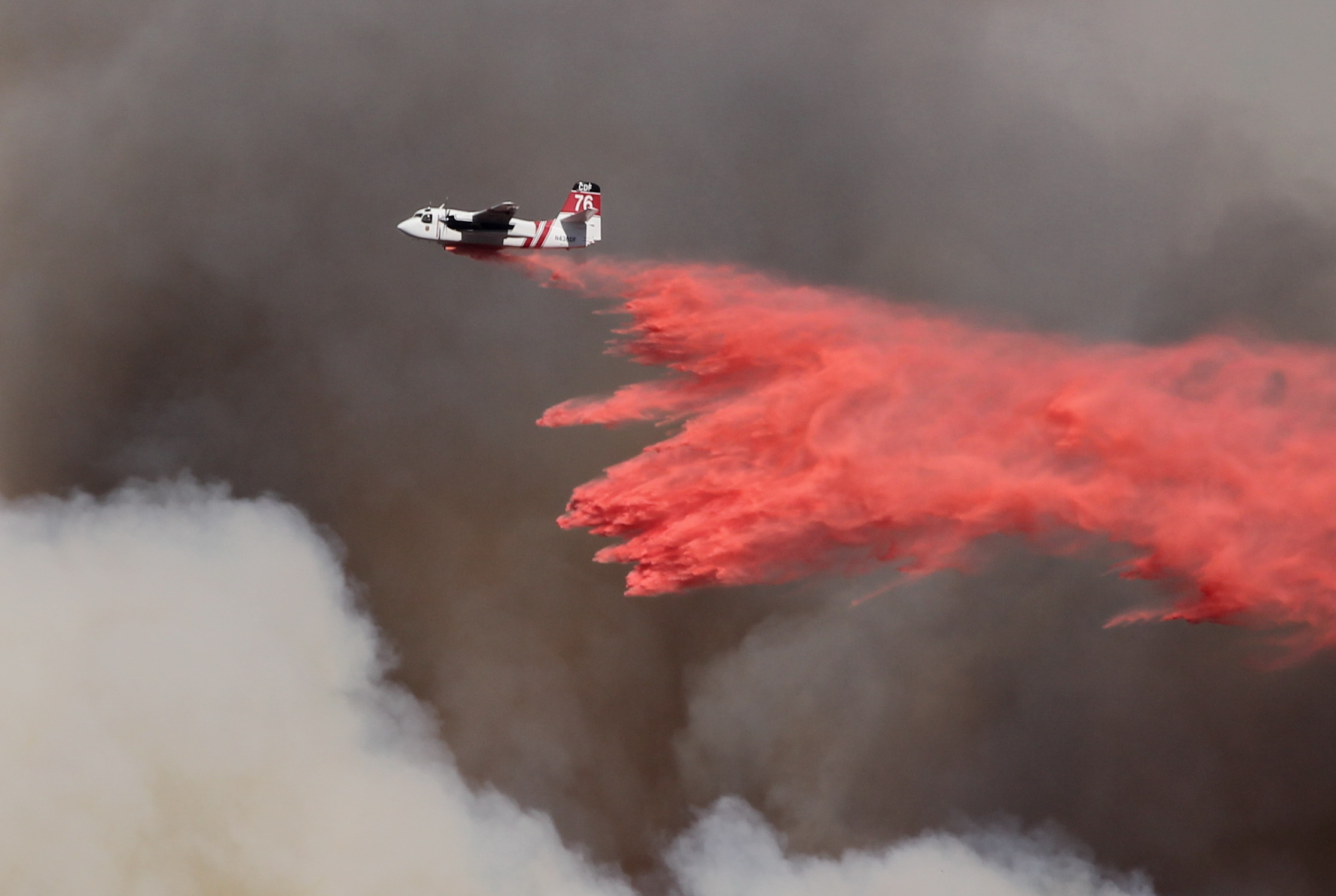
Federal wildfire policy that emphasizes suppression—a legacy of early-1900s forest management—has resulted in a paradox: accumulated fuels and larger, more severe wildfires. For communities to truly become fire-adapted, suppression efforts must be complemented with other preventative and mitigation measures. Full article here: https://headwaterseconomics.org/natural-hazards/federal-wildfire-policy/ HeadWaters Economics, April 2020.
Categories
- Article/Book/Chapter
- Course/Curriculum
- Education & Training
- Highlights
- Maps, Models, and Apps
- Newsletter/Digest
- Pre and Post Emergency Resources
- Publication
- Research Brief/Synthesis
- Technical Report
- Uncategorized
- Video
- Video & Audio Resources
- Webinar
- Website
Archive
- August 2026
- July 2026
- May 2026
- April 2026
- March 2026
- February 2026
- January 2026
- December 2025
- November 2025
- October 2025
- September 2025
- August 2025
- July 2025
- May 2025
- April 2025
- March 2025
- February 2025
- January 2025
- November 2023
- October 2023
- September 2023
- May 2023
- April 2022
- March 2022
- February 2022
- January 2022
- October 2021
- August 2021
- July 2021
- May 2021
- March 2021
- February 2021
- January 2021
- December 2020
- November 2020
- October 2020
- September 2020
- August 2020
- July 2020
- June 2020
- May 2020
- April 2020
- March 2020
- July 2019
- July 2018
- June 2018
- October 2017
- September 2017
- June 2017
- April 2017
- March 2017
- November 2016
- October 2016
- August 2016
- May 2016
- April 2016
- November 2015
- October 2015
- September 2015
- June 2015