-
From death comes life: Recovery and revolution in the wake of epidemic outbreaks of mountain pine beetle
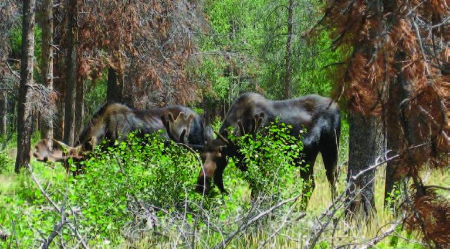
From the Rocky Mountain Research Station: Changing climatic conditions and an abundance of dense, mature pine forests have helped to spur an epidemic of mountain pine beetles larger than any in recorded history. This has raised concerns among many people that the death, desiccation, and decomposition of the overstory could have dramatic and negative consequences…
-
Upwardly mobile in the western U.S. desert: Blackbrush shrublands respond to a changing climate
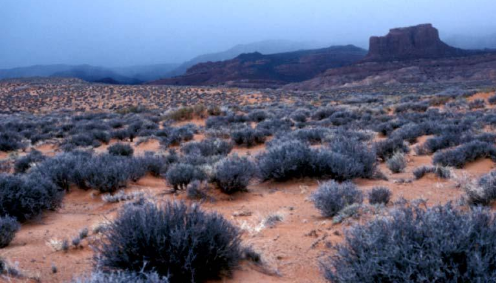
From the Rocky Mountain Research Station: Blackbrush (Colegyne ramosissima) is a desert shrubland species that is currently dominant on over three million acres of the transition zone between the cold desert of the Great Basin and the warm desert of the southwestern United States. Western landscapes are projected to experience unprecedented changes as the climate…
-
Seeing red: New tools for mapping and understanding fire severity
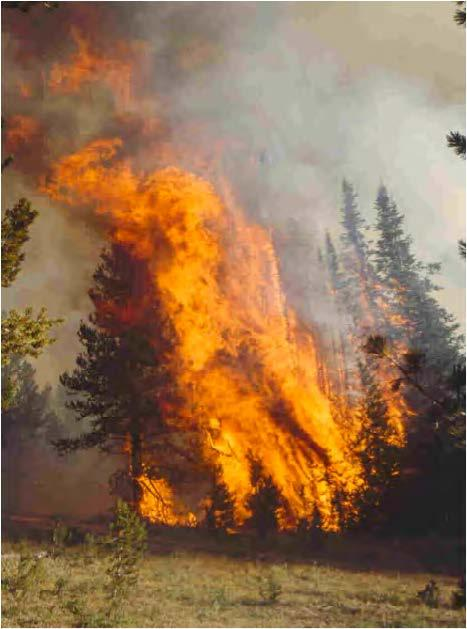
From the Rocky Mountain Research Station: Large, severe fires are ecologically and socially important because they have lasting effects on vegetation and soils, can potentially threaten people and property, and can be costly to manage. The goals of the Fire Severity Mapping Project (FIRESEV), which covers lands in the continental western United States, are to understand where…
-
Fire on the mountain: What motivates homeowners to reduce their wildfire risk?
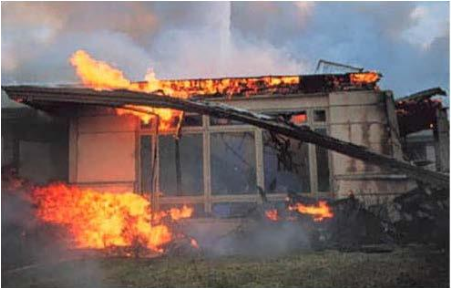
From the Rocky Mountain Research Station: New home building in the wildland-urban interface (WUI) continues unabated, despite the high financial and human costs of fighting fires in these areas. The goal of this research is to understand, through surveys and expert assessments, the attitudes and perceptions of WUI homeowners as they relate to taking action…
-
Coming to a landscape near you: Natural resource changes in the Interior West
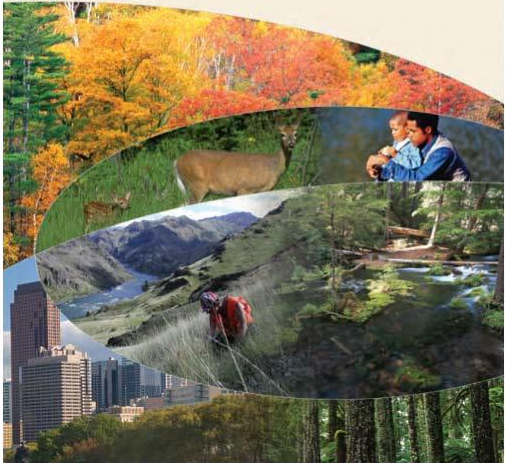
From the Rocky Mountain Research Station: In the coming decades, population growth, economic growth, and associated land-use changes – in concert with climate change – will influence forests and rangelands in the Interior West. Society’s demand for ecosystem goods and services continues to increase as human and biophysical change alter the productive capacity of these…
-
Our relationship with a dynamic landscape: Understanding the 2013 Northern Colorado Flood
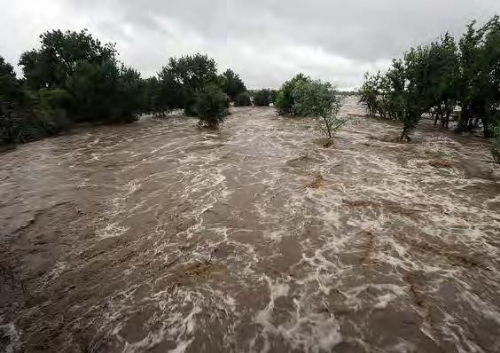
From the Rocky Mountain Research Station: The summer of 2013 was drier than normal along the Front Range, so when rain started falling on the northern end on September 9, 2013, some greeted it with enthusiasm. According to the Colorado Climate Center, total rainfall for the week beginning Monday, September 9th measured 16.9” in Boulder,…
-
From watersheds to the web: Online tools for modeling forest soil erosion
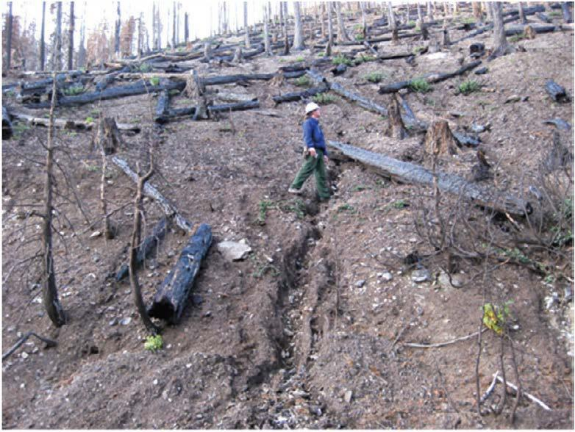
From the Rocky Mountain Research Station: Forest erosion can lead to topsoil loss, and also to damaging deposits of sediment in aquatic ecosystems. For this reason, forest managers must be able to estimate the erosion potential of both planned management activities and catastrophic events, in order to decide where to use limited funds to focus…
-
Fire and forethought: Fire effects syntheses are a powerful tool for planning and management across resource fields
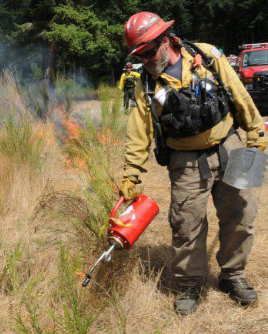
From the Rocky Mountain Research Station: The Rocky Mountain Research Station’s Fire Effects Information System (FEIS) team synthesizes information about wildland fires, their history in U.S. ecosystems, and their effects on U.S. wildland plants, lichens, and animals. Found at www.feis-crs.org/feis/, FEIS publications can be used for many purposes, including land use planning, restoration and rehabilitation planning,…
-
Burgeoning biomass: Creating efficient and sustainable forest biomass supply chains in the Rockies
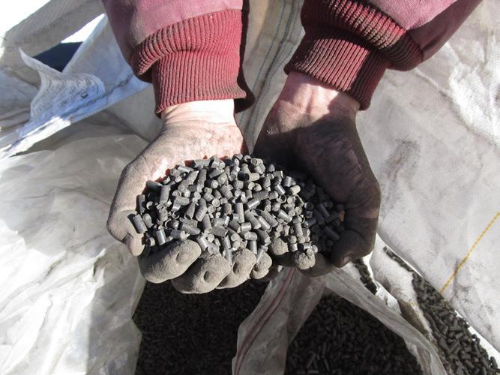
From the Rocky Mountain Research Station: Woody biomass could be used to generate energy in the western U.S. if the utilization process is both economically feasible and ecologically sustainable. The purpose of the RMRS-led Biomass Research and Development Initiative (BRDI) is to develop technologies, approaches, and new science that will help to make this possible. Read Part…
-
Living with fire: How social scientists are helping wildland-urban interface communities reduce wildfire risk
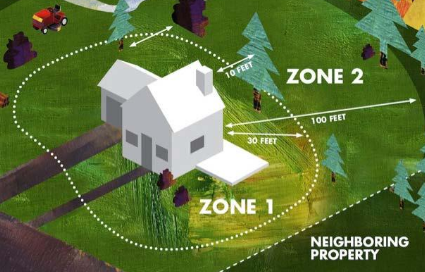
From the Rocky Mountain Research Station: Reducing wildfire risk to lives and property is a critical issue for policy makers, land managers, and citizens who reside in high-risk fire areas of the United States – this is especially the case in the Rocky Mountain region and other western states. In order for a wildfire risk…
Categories
- Article/Book/Chapter
- Course/Curriculum
- Education & Training
- Highlights
- Maps, Models, and Apps
- Newsletter/Digest
- Pre and Post Emergency Resources
- Publication
- Research Brief/Synthesis
- Technical Report
- Uncategorized
- Video
- Video & Audio Resources
- Webinar
- Website
Archive
- August 2026
- July 2026
- May 2026
- April 2026
- March 2026
- February 2026
- January 2026
- December 2025
- November 2025
- October 2025
- September 2025
- August 2025
- July 2025
- May 2025
- April 2025
- March 2025
- February 2025
- January 2025
- November 2023
- October 2023
- September 2023
- May 2023
- April 2022
- March 2022
- February 2022
- January 2022
- October 2021
- August 2021
- July 2021
- May 2021
- March 2021
- February 2021
- January 2021
- December 2020
- November 2020
- October 2020
- September 2020
- August 2020
- July 2020
- June 2020
- May 2020
- April 2020
- March 2020
- July 2019
- July 2018
- June 2018
- October 2017
- September 2017
- June 2017
- April 2017
- March 2017
- November 2016
- October 2016
- August 2016
- May 2016
- April 2016
- November 2015
- October 2015
- September 2015
- June 2015