
-
Wildland Fire Management under COVID-19

Read the full brief here. Summary: COVID-19 will have major implications for wildland fire management, because of severe social distancing and hygiene requirements. We collected procedures and guidance created round […]
-
Big Trees, Bark Beetles, Goshawks & Timber
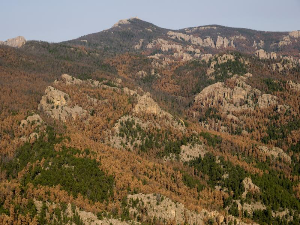
From the Rocky Mountain Research Station: Throughout the Rocky Mountains over the last century, large ponderosa pine trees provided lumber for growing cities and towns, along with fuel and timber […]
-
Using “Good” Fires to Reduce “Bad” Fire Effects & Smoke Impacts
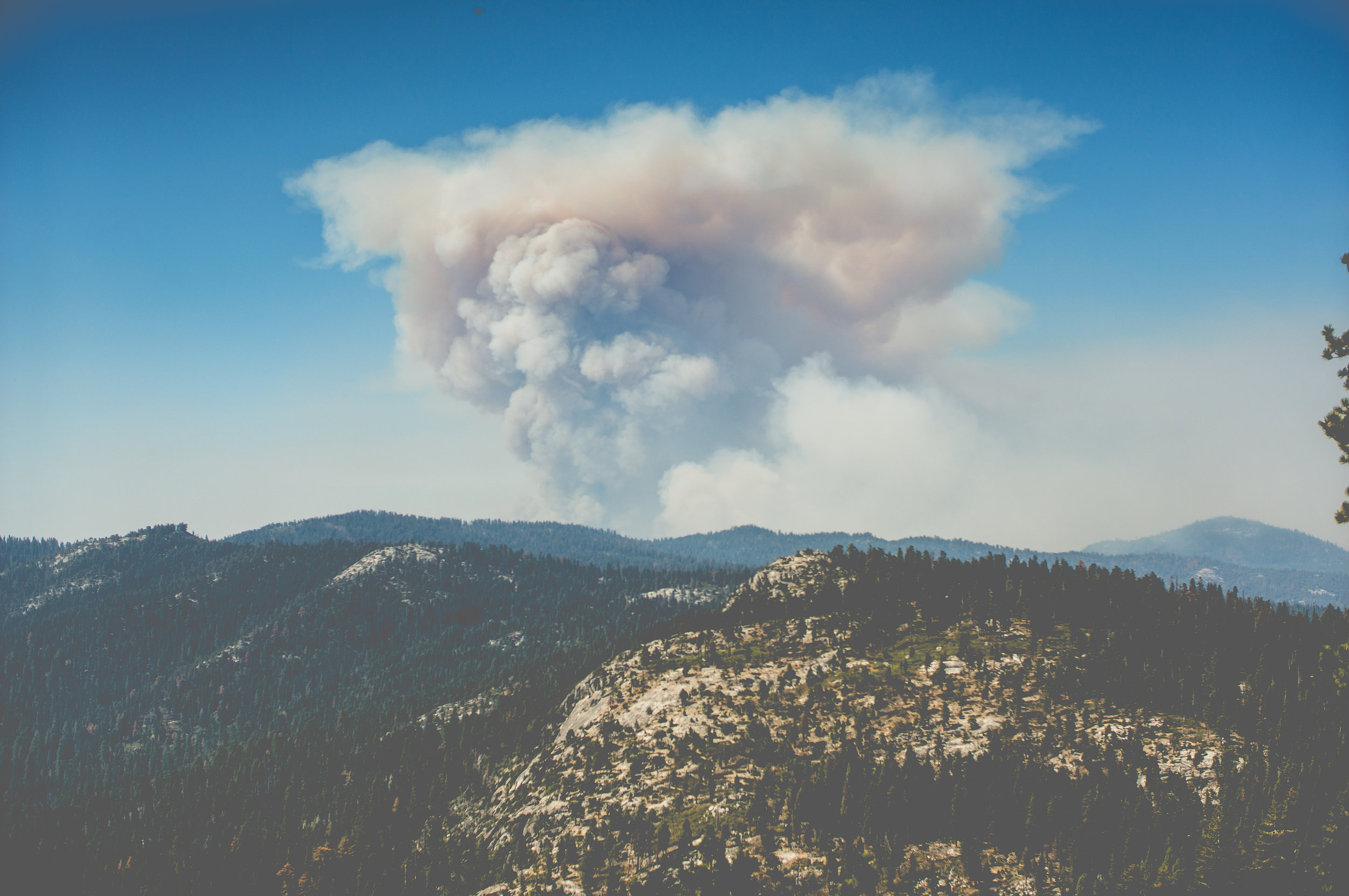
From the Rocky Mountain Research Station: Prescribed fires produce smoke that adversely impacts public health, although not to the same degree as wildfires. The public needs to understand these trade-offs, […]
-
Using FIA Data to Predict Forest Understory Vegetation Structure
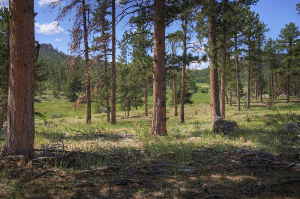
From the Rocky Mountain Research Station: Understory vegetation is a significant component of terrestrial carbon stocks and play an important role in determining fuel loading and wildlife habitat. Given the […]
-
Snag Hazards to Firefighters
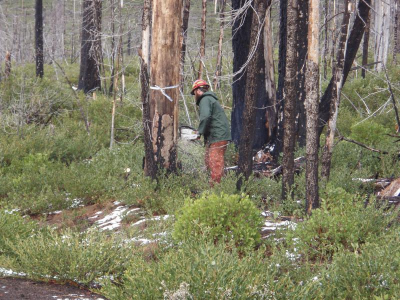
From the Rocky Mountain Research Station: Snags continue to pose an ever-present hazard to responders, and recent increases in fire activity have resulted in an accumulation of these hazards across […]
-
Management of High-Elevation Five Needle White Pines
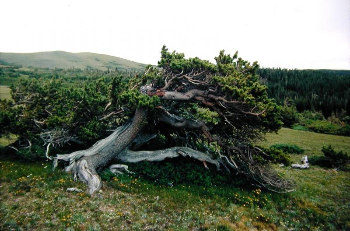
From the Rocky Mountain Research Station: The regeneration for resilience framework helps prioritize limited management resources for the greatest benefit to five-needle pines. Read the brief here!
-
How Does Fire Kill Trees?
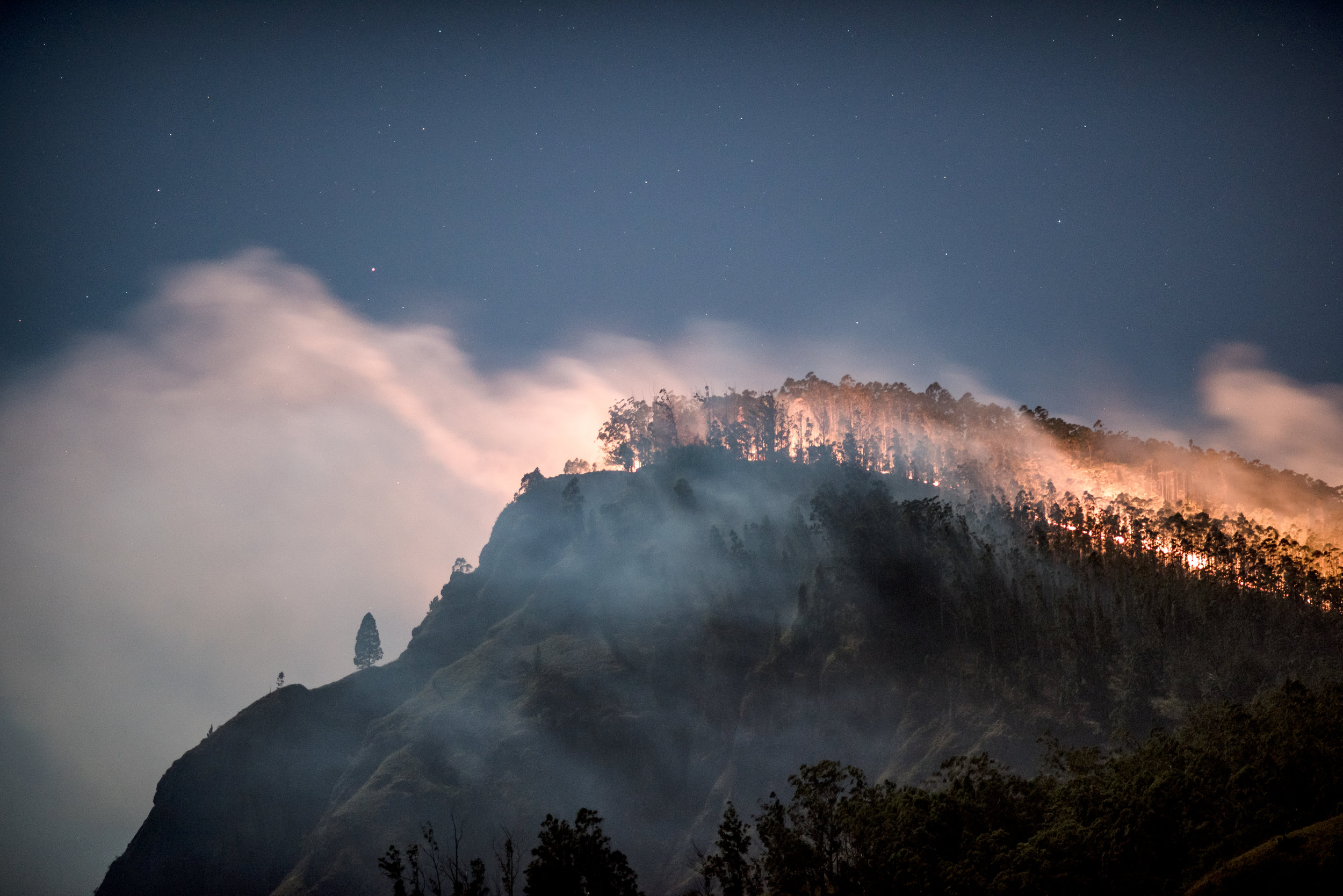
From the Rocky Mountain Research Station: Fires burn millions of acres annually and being able to predict what trees will die after fire is important for forest management. Read the […]
-
Science-Based Assessments of Riparian Ecosystems

From the Rocky Mountain Research Station: For a land type that covers relatively little area, riparian areas and groundwater-dependent ecosystems are an extremely important component of healthy watersheds and ecological […]
-
Morphology Is Better Than Size for Revealing a Tree’s Age

From the Rocky Mountain Research Station: In Colorado’s Front Range, restoring fire-dependent ponderosa forests is a management priority often informed by understanding the historical structure and ecological function of these […]
-
Fire Regimes and Structural Changes in Pine Forests of the Mogollon Highlands Ecoregion: Implications for Ecological Restoration
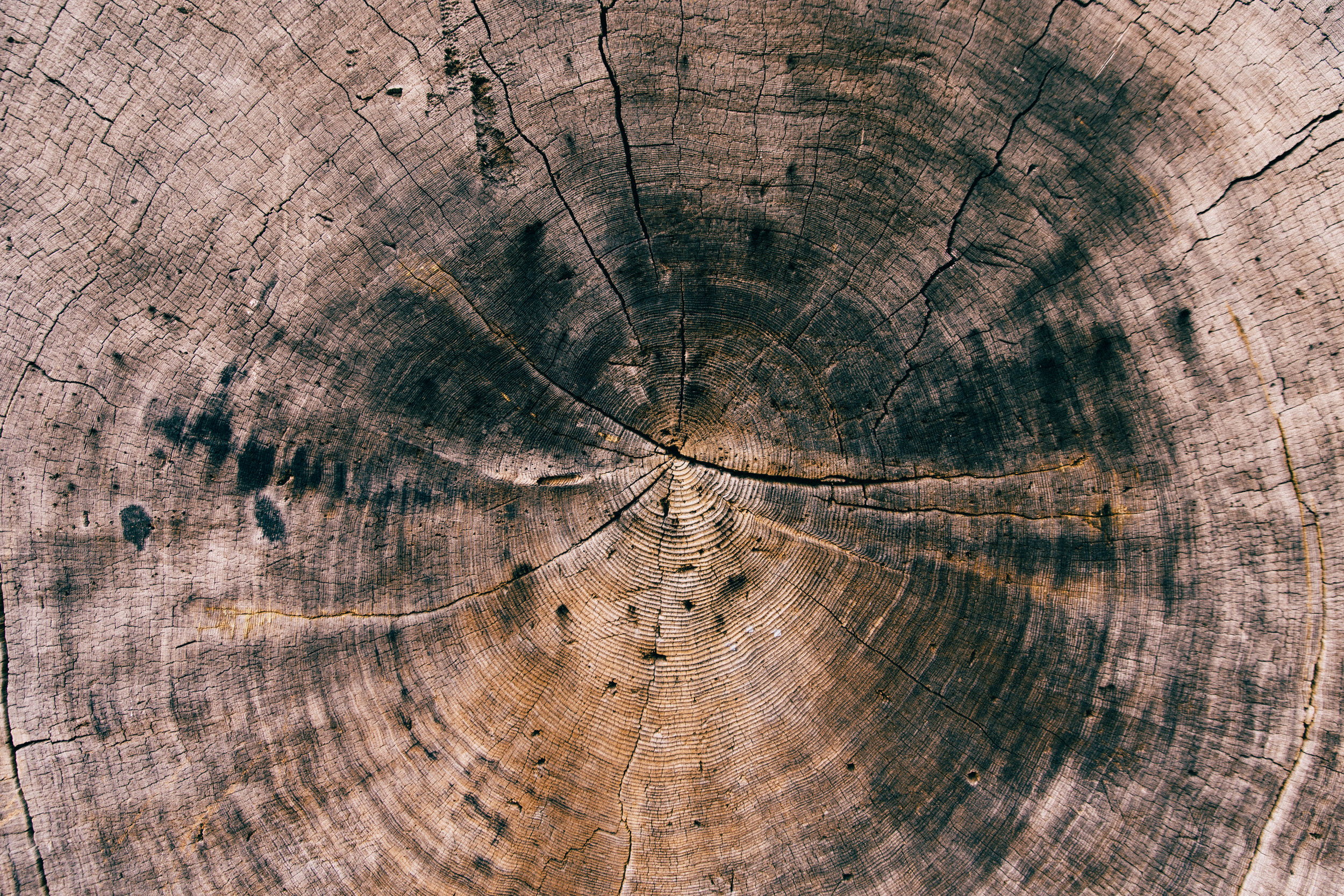
David W.Huffman, M. Lisa Floyd, Dustin P. Hanna, Joseph E. Crouse, Peter Z. Fulé, Andrew J. Sánchez Meador, Judith D. Springer. Forest Ecology and Management 465 (2020) 118087 Ponderosa pine […]
Categories
- Article/Book/Chapter
- Course/Curriculum
- Education & Training
- Highlights
- Maps, Models, and Apps
- Newsletter/Digest
- Pre and Post Emergency Resources
- Publication
- Research Brief/Synthesis
- Technical Report
- Uncategorized
- Video
- Video & Audio Resources
- Webinar
- Website
Archive
- December 2025
- November 2025
- October 2025
- September 2025
- August 2025
- July 2025
- May 2025
- April 2025
- March 2025
- February 2025
- January 2025
- November 2023
- October 2023
- September 2023
- May 2023
- April 2022
- March 2022
- February 2022
- January 2022
- October 2021
- August 2021
- July 2021
- May 2021
- March 2021
- February 2021
- January 2021
- December 2020
- November 2020
- October 2020
- September 2020
- August 2020
- July 2020
- June 2020
- May 2020
- April 2020
- March 2020
- July 2019
- July 2018
- June 2018
- October 2017
- September 2017
- June 2017
- April 2017
- March 2017
- November 2016
- October 2016
- August 2016
- May 2016
- April 2016
- November 2015
- October 2015
- September 2015
- June 2015