
"Firebrand generation was investigated in and around a group of small structures embedded in the boreal forest, impacted by a …
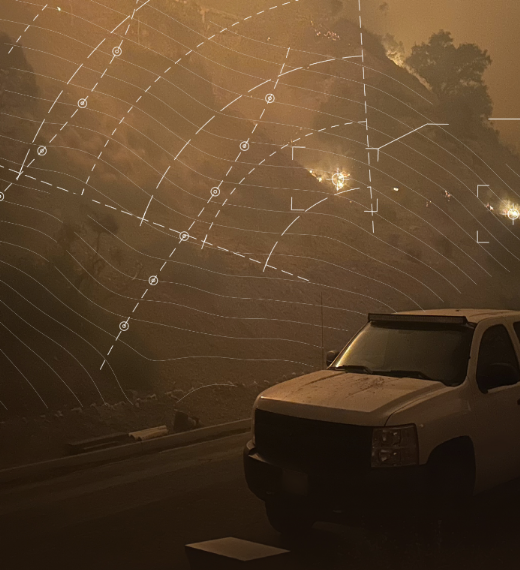
Wildfire Risk Modeling EvaluationFindings and Community Perspectives: Defining a Roadmap for Next-Generation Wildfire Risk Intelligence
"The findings from this exercise provide important insights into the current state of wildfire risk modeling, opportunities for …
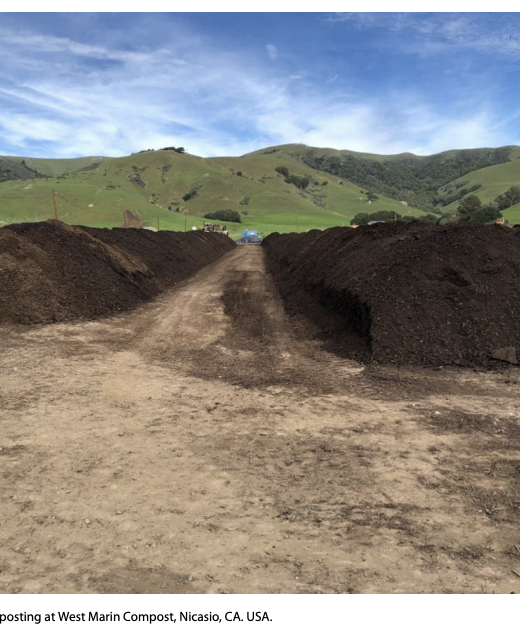
When mulch burns: fire risks at the wildland–urban interface
"Although prior laboratory studies have investigated mulch ignition thresholds, few have examined large-scale burning dynamics …
Continue Reading about When mulch burns: fire risks at the wildland–urban interface
Lessons learned from community-scale use of temporary refuge areas during the Camp Fire
"We conducted an in-depth case study of the Camp Fire to reconstruct the conditions and sequence of evacuation events." Read …
Wind-Driven Building-to-Building Fire Spread: ExperimentalResults and Probabilistic Modeling
"This study presents a comprehensive experimental and probabilistic analysis of wind-driven building-to-building fire spread, …
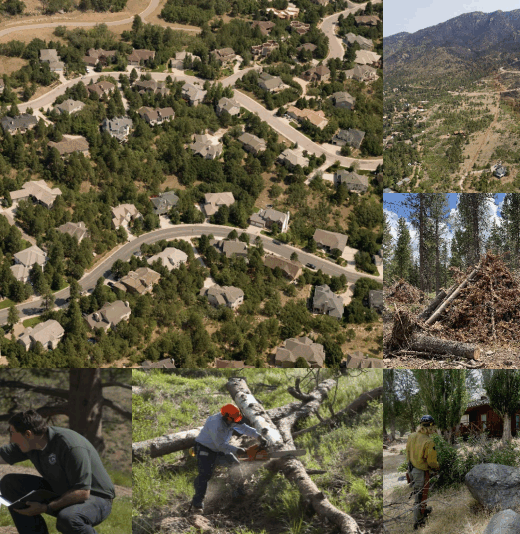
NWCG Wildland Urban Interface Mitigation Field Guide
The effects of wildland fire on communities have become more frequent and far-reaching. A comprehensive approach to preparedness …
Continue Reading about NWCG Wildland Urban Interface Mitigation Field Guide
Wildfire and Family Forest Owners: Concern, Advice, and Wildfire Reduction Behaviors from the United States National Woodland Owner Survey
With the recent increase in the frequency and severity of wildland fires across the country, researchers investigate family forest …
The global wildland–urban interface
The wildland–urban interface (WUI) is a growing global hotspot where human development and wild landscapes collide, driving …